
Leading Furniture Repair Products for Restoring Your Home
Explore essential tools and supplies designed to help you effectively repair and maintain your furniture pieces with ease.
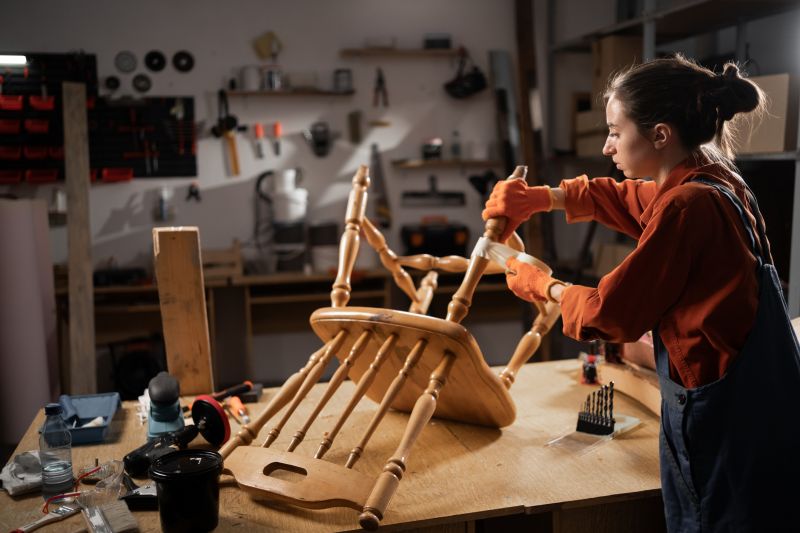 Furniture repair products encompass a wide range of tools and materials designed to address common issues such as scratches, dents, loose joints, and surface damage. These products help maintain the integrity and appearance of various furniture pieces, whether they are antique, modern, or everyday household items. From adhesives and fillers to refinishing supplies, the right selection can make repairs more effective and less noticeable.
Top Overall Option
Multi-Purpose Furniture Repair Kit
A versatile repair kit that includes a variety of adhesives, fillers, touch-up markers, and clamps, designed to handle a wide range of furniture repair needs. It offers comprehensive solutions for both surface refinishing and structural fixes, making it suitable for DIYers and professionals alike.
Types of Products For Furniture Repairs
Wood Filler and Putty
Used to fill scratches, gouges, and small holes in wooden surfaces, restoring a smooth appearance.
Furniture Glue and Adhesives
Designed for bonding loose joints, broken parts, or reinforcing structural components.
Touch-Up Markers and Pens
Ideal for discreetly covering scratches and minor surface imperfections.
Clamps and Vises
Essential tools for holding furniture parts securely during gluing or drying processes.
Varnishes and Sealers
Used to protect and finish repaired surfaces, restoring shine and durability.
Furniture Wax and Polish
Provides a protective layer and enhances the appearance of wood surfaces.
Veneer Repair Kits
Specialized products for fixing damaged or lifting veneer surfaces.
Scraper and Sandpaper Sets
Helps prepare surfaces for repairs and smooth out imperfections after filling or refinishing.
Spray Paint and Finish Coats
Used for quick refinishing and touch-up of furniture surfaces.
Furniture Leg and Hardware Replacements
Replacement parts for broken or missing legs, knobs, or handles.
Structural Reinforcement Strips
Assist in strengthening weak or damaged furniture frames.
Cushion and Upholstery Repair Kits
Tools and materials for fixing torn fabric or reupholstering furniture cushions.
Popular Choices
Convenient for quick cosmetic repairs on scratched or chipped wood surfaces.
Commonly used for reattaching loose joints or broken parts with strong bonding capabilities.
Popular for restoring the finish and providing a protective coat quickly.
Frequently chosen for filling in small imperfections and preparing surfaces for refinishing.
Widely used for holding parts together securely during repairs or drying times.
Popular for fixing torn fabric or reupholstering cushions with minimal tools.
Commonly used for surface preparation before applying repairs or finishes.
Often selected for enhancing the appearance and protection of wood furniture.
Popular for updating or replacing missing or damaged knobs, handles, and legs.
Chosen for strengthening weakened frames or joints in furniture pieces.
Many furniture repairs involve addressing surface imperfections like scratches or gouges. For these, wood fillers and touch-up markers are popular options, allowing for quick and discreet fixes. For structural issues such as loose joints or wobbly legs, specialized adhesives and clamps are essential to ensure stability and longevity. Additionally, refinishing products like stains, sealers, and protective coatings can restore or enhance the furniture's original look.
Choosing the appropriate products depends on the type of furniture, the extent of damage, and the desired finish. It is important to consider the compatibility of repair materials with the existing surface, whether it's wood, veneer, or laminate. Proper application techniques and drying times also influence the overall outcome. Investing in quality repair products can save time and effort while producing more seamless results.
Whether you're a DIY enthusiast or a professional furniture restorer, having a comprehensive set of repair tools and supplies on hand can help you address a variety of issues efficiently. Understanding the different product types and their uses ensures that your furniture remains functional and visually appealing for years to come.
Key Buying Considerations
- Identify the type of furniture material (wood, veneer, laminate) to select compatible repair products.
- Assess the extent of damage to determine whether surface repair or structural reinforcement is needed.
- Consider the drying and curing times for adhesives and fillers to plan your repair process effectively.
- Choose products with appropriate color matching options for seamless surface blending.
- Evaluate the ease of application, especially if you are a DIY beginner or experienced user.
- Look for multi-purpose kits that provide a variety of tools and materials for comprehensive repairs.
- Check for safety instructions and proper ventilation requirements when using sprays and solvents.
- Consider the size and portability of repair tools for ease of use in different furniture pieces.
- Review product compatibility with existing finishes to avoid adverse reactions or damage.
- Determine if additional tools like clamps or sanders are necessary for your repairs.
- Prioritize quality materials that offer durability and a professional finish.
- Think about the long-term maintenance and whether the products provide a protective or finishing layer.
- Be mindful of the repair's visibility; select products that allow for discreet fixes.
- Read customer reviews and ratings to gauge effectiveness and ease of use.
- Ensure that replacement parts or hardware match the original furniture specifications.